
How To Make A Classic Chicken Curry At Home
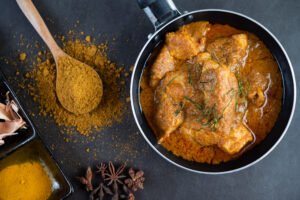
Chicken curry is more than just a dish—it is an emotion, a memory simmered in spices, and a symbol of comfort that transcends borders. For millions worldwide, the rich aroma of curry bubbling on the stove means more than dinner; it means warmth, family, and connection. From Indian kitchens filled with roasted spices to global adaptations that give it new character, chicken curry has carved its place as one of the world’s most beloved dishes.
A Dish With Deep Roots
The origins of curry date back thousands of years, with ancient Indian texts referencing spiced stews and gravies. The word curry itself, though widely used today, was popularized by the British during colonial times as a catch-all term for spiced dishes from the Indian subcontinent. Yet, in reality, every region already had its own word for it—kari, korma, jhol, and many more.
Chicken curry, in particular, rose in popularity because poultry was widely available, quick to cook, and adaptable. Blended with onions, garlic, ginger, tomatoes, and a medley of spices, it became a dish that could be festive or everyday, indulgent or simple. Over time, it spread across continents, evolving wherever it landed.
The Heart of the Curry: Spices
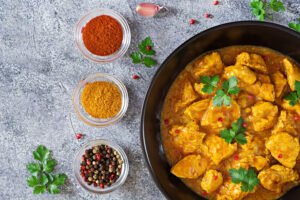
What makes chicken curry extraordinary is its intricate symphony of spices. Turmeric lends its golden hue and earthiness, cumin and coriander bring warmth, cinnamon and cardamom add sweetness, and chili peppers ignite heat. Tying it all together is garam masala—a fragrant blend of spices that deepens every bite.
Every household has its own version. Some prepare it creamy with yogurt or coconut milk, softening the spice kick. Others make it fiery, with enough chili to spark the senses. This adaptability is what makes chicken curry endlessly appealing.
Chicken Curry Across Cultures
Though rooted in South Asia, chicken curry has traveled the globe, embracing new flavors:
Indian Chicken Curry
Perhaps the most iconic, built on tomatoes, onions, ginger, garlic, and an elaborate spice base. Within India, regional variations abound, from Kerala’s coconut-infused gravies to Bengal’s mustard-scented curries.
Thai Chicken Curry
Lighter yet complex, crafted with lemongrass, galangal, kaffir lime, and coconut milk. Red, green, and yellow Thai curries have become international staples.
Jamaican Chicken Curry
Bold and vibrant, made with scotch bonnet peppers, thyme, and allspice for a distinctly Caribbean character.
British Chicken Curry
Dishes such as chicken tikka masala and balti are now cultural icons in the UK, blending Indian inspiration with local tastes.
Each version tells a story of migration, adaptation, and cultural exchange.
Comfort in a Bowl
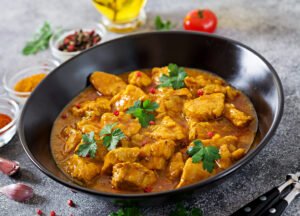
Chicken curry is more than food—it is comfort served hot. Imagine a rainy evening, rice steaming in a pot, the fragrance of curry filling the air, and family gathering at the table. Beyond its flavors, chicken curry carries memories.
It’s what mothers prepare for children returning home. It’s what students crave abroad when homesickness strikes. It’s a dish for celebrations and weeknights alike, embodying both nostalgia and belonging.
How to Make a Classic Chicken Curry
While recipes vary endlessly, here’s a simple yet flavorful version to try:
Ingredients
-
1 kg chicken, cut into medium pieces
-
2 large onions, finely chopped
-
3 tomatoes, pureed
-
2 tbsp ginger-garlic paste
-
3 tbsp oil or ghee
-
2 tsp turmeric powder
-
2 tsp red chili powder
-
2 tsp coriander powder
-
1 tsp cumin powder
-
1 tsp garam masala
-
1 cup yogurt (optional)
-
Fresh coriander leaves
-
Salt to taste
Method
-
Heat oil in a heavy pan. Add onions and sauté until golden.
-
Add ginger-garlic paste, cooking until the raw smell fades.
-
Stir in tomato puree; cook until oil separates.
-
Add turmeric, chili, coriander, and cumin powders. Fry until fragrant.
-
Add chicken pieces, coating well with masala.
-
Cover and cook for 5–7 minutes.
-
Mix in yogurt (if using) and add water as needed for consistency.
-
Simmer until chicken is tender.
-
Sprinkle garam masala and garnish with coriander leaves.
-
Serve hot with rice, roti, or naan.
This recipe captures the essence of curry while leaving room for personalization.
If you want to see our menu, click here
The Global Appeal
What makes chicken curry universally loved is its versatility. It can be rustic or refined, fiery or mellow, light or indulgent. It suits festive spreads as easily as casual weeknight dinners. Most importantly, it no longer belongs to a single culture—it belongs to everyone.
Restaurants worldwide proudly feature chicken curry, cookbooks overflow with variations, and home chefs continue to reinvent it. Yet, its essence remains the same: a dish celebrating spice, comfort, and togetherness.
A Dish That Connects Generations
One of chicken curry’s greatest charms is its role in family tradition. Recipes are passed from grandparents to parents to children, each adding their personal touch while preserving the soul of the dish. The kitchen fills with familiar aromas that instantly transport people back to childhood.
In a fast-changing world, chicken curry acts as an anchor—reminding us that some flavors never fade, only deepen with time.
Final Thoughts
Chicken curry is not just something to eat—it’s something to feel. In every bite lies history, culture, and love. Whether scooped up with bread, paired with rice, or enjoyed in a new fusion form, it remains more than food: it is a story of spices and tradition.
The next time you prepare or savor chicken curry, pause and breathe in the aroma. Know that you’re sharing in a centuries-old tradition that continues to bring comfort and joy across the globe.
⸻