
How to Make Perfect Pasta at Home: Step-by-Step Guide

Nothing beats the taste of freshly made perfect pasta. Whether it’s spaghetti with tomato sauce, creamy fettuccine Alfredo, or lasagna, pasta has a special place in every kitchen. While store-bought pasta is convenient, homemade pasta has a unique flavor and texture that makes every bite memorable.
The best part? Making pasta from scratch is simple and requires only a few ingredients. Follow this easy step-by-step guide to create perfect pasta at home.
1. Gather Your Ingredients
You don’t need much to make fresh pasta. Here’s what you’ll need:
-
Take 2 cups of all-purpose flour—or for extra softness, try the finely milled Italian “00” flour.
-
2 large eggs
-
1 tablespoon olive oil
-
½ teaspoon salt
-
1–2 tablespoons water (if needed)
These ingredients combine to make soft, silky dough that can be shaped into spaghetti, fettuccine, or any pasta type you love.
2. Make the Dough
Start by pouring the flour onto a clean surface or into a bowl. Make a small well in the center and crack in the eggs. Add olive oil and salt. Using a fork, whisk the eggs gently, pulling flour from the edges until a dough starts to form.
As soon as the dough forms, get hands-on and knead it until it feels smooth and elastic. The dough should be firm but not sticky.. When the dough feels dry to the touch, drizzle in some water to adjust the texture.If it’s sticky, dust with a little flour.
3. Knead and Rest
Kneading is key to developing the gluten that gives pasta its texture. Knead for about 8–10 minutes until the dough becomes smooth and elastic.
When it’s ready, wrap it in plastic wrap or cover with a damp towel. Let it rest at room temperature for about 30 minutes. This step relaxes the dough, making it easier to roll out later.
4. Roll Out the Dough
After resting, divide the dough into smaller portions. Lightly flour your surface and rolling pin. Flatten one piece and roll it out evenly from the center.
If you’re using a perfect pasta machine, start with the widest setting and pass the dough through several times, folding it between each pass. Gradually narrow the setting until the sheet is thin enough — about 1–2 mm thick.
If rolling by hand, keep the dough floured to prevent sticking and roll until you reach the desired thinness.
5. Cut the perfect Pasta
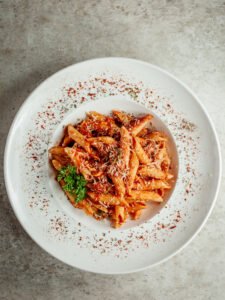
Once your dough is rolled out, it’s time to cut it into shapes:
-
Fettuccine: Wide ribbons perfect for creamy sauces.
-
Spaghetti: Thin strands ideal for tomato or pesto sauces.
-
Lasagna Sheets: Large rectangles for layering.
-
Ravioli: Filled pockets for a special treat.
After cutting, sprinkle the pasta with flour or semolina to stop it from sticking together.
6. Cook the perfect Pasta
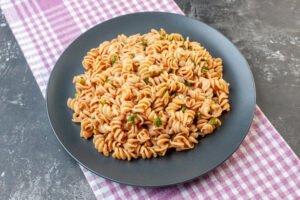
Bring a large pot of salted water to a boil — about one tablespoon of salt per liter of water. Fresh pasta cooks in no time—typically just 2 to 4 minutes, much quicker than dried pasta.
Stir gently while cooking, then taste a piece to check for doneness. The pasta should be al dente — soft yet firm to the bite.
Before draining, reserve a cup of the cooking water. The starchy water is perfect for loosening and thickening your sauce later.
7. Choose the Right Sauce
Pair your homemade pasta with a sauce that complements its texture:
-
Spaghetti: Tomato basil, garlic and olive oil, or pesto.
-
Fettuccine: Alfredo, carbonara, or creamy mushroom sauce.
-
Tagliatelle: Bolognese or rich meat ragù.
-
Ravioli: Brown butter or tomato cream sauce.
When combining perfect pasta and sauce, toss them together in a pan with a splash of the pasta water. It helps the sauce coat each strand perfectly.
8. Add the Finishing Touches
Garnish your pasta like a chef. Add freshly grated Parmesan, a drizzle of olive oil, and a sprinkle of chopped herbs such as basil or parsley.
You can also add a small knob of butter for extra richness or a squeeze of lemon juice to brighten the flavors. These simple touches elevate your homemade pasta from great to unforgettable.
9. Helpful Tips for Success
For consistently flawless pasta, keep these simple tricks in mind:
-
Use good flour and fresh eggs for better flavor and texture.
-
Don’t skip resting the dough — it makes rolling easier.
-
Avoid overcooking, as fresh pasta cooks very quickly.
-
Never rinse cooked pasta, or the sauce won’t stick well.
-
Experiment with flavors — add spinach, herbs, or beet juice to color the dough.
10. Flavor Variations
Once you master basic pasta, try fun variations:
-
Spinach Pasta: Add blended spinach for color and nutrients.
-
Beet Pasta: For a pink hue and slightly sweet taste.
-
Herb Pasta: Mix in chopped basil, oregano, or thyme.
-
Squid Ink Pasta: A black pasta with subtle ocean flavor.
These creative twists make your dishes stand out and impress anyone you serve.
If you want to see our menu, click here
Conclusion
Making perfect pasta at home is easier than you think — and the results are worth every bit of effort. The process of mixing, kneading, and rolling out dough is relaxing and rewarding. The taste of fresh pasta is softer, richer, and more flavorful than anything from a box.
With this step-by-step guide, you can create authentic, restaurant-quality perfect pasta right in your own kitchen. Whether you serve it with a simple tomato sauce or a creamy Alfredo, homemade pasta is a dish that brings comfort, flavor, and joy to every meal.
So grab your ingredients, roll up your sleeves, and start making your perfect pasta today!